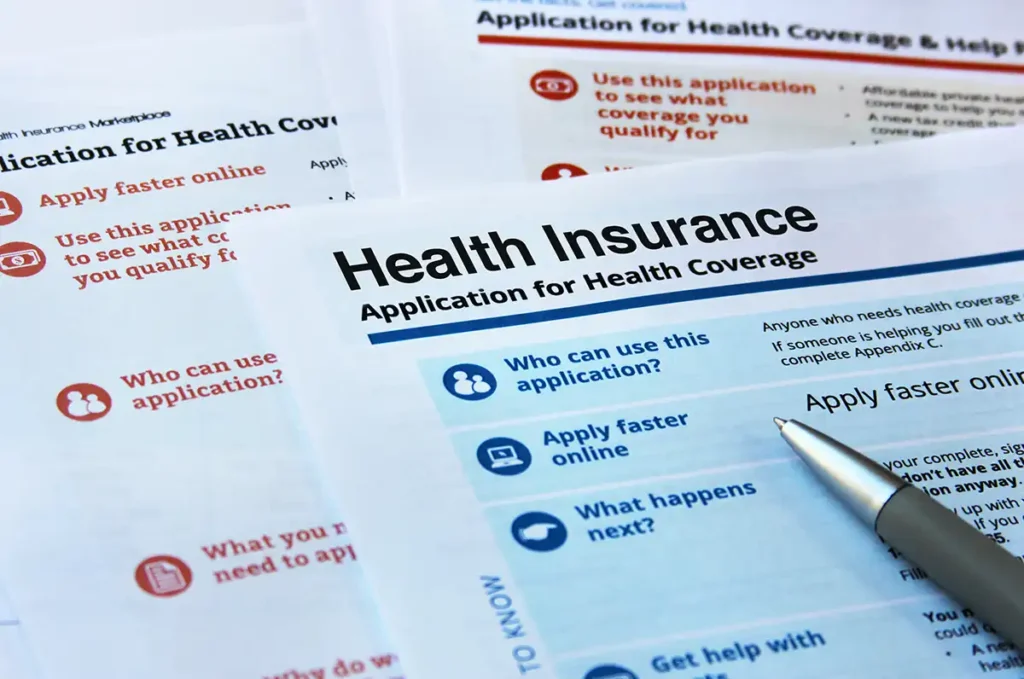
Health insurance is a legal requirement in Germany, ensuring access to quality medical care for all residents. Navigating the system involves understanding the distinctions between statutory health insurance (SHI) and private health insurance (PHI). Whether you’re employed, self-employed, or a job seeker, knowing your options is key to making the best decision.
Why Health Insurance is Essential in Germany
- Mandatory Requirement: All residents must have health insurance, whether statutory or private.
- Temporary Coverage: If you’re new to Germany, consider taking out international health insurance for the initial days or weeks until you secure local coverage. This is particularly important when applying for a visa.
Statutory Health Insurance (SHI)
Overview
Most employees in Germany are covered by statutory health insurance. With SHI, you have access to a wide range of healthcare providers, and your premiums are income-based.
Key Features
- Income-Based Premiums: Your contribution depends on your income and chosen plan.
- Family Coverage: Non-working spouses and children are covered at no additional cost.
- Direct Billing: Doctors and pharmacies bill your insurer directly, minimizing out-of-pocket expenses.
What Does SHI Cover?
Basic statutory health insurance includes:
- Outpatient medical treatments.
- Dental care.
- Medications, remedies, and medical aids.
- Inpatient hospital care.
- Medically necessary rehabilitation.
- Pregnancy and childbirth services.
For additional services like professional dental cleaning or skin cancer screening, check with your provider.
Private Health Insurance (PHI)
Who Qualifies for PHI?
- Individuals with income above the compulsory insurance limit.
- Self-employed individuals and civil servants.
Differences Between PHI and SHI
- Access to Exclusive Services: Private practices and advanced treatments often cater only to PHI holders.
- Age and Health-Based Premiums: Contributions depend on personal factors like age, health, and occupation rather than income.
- Reimbursement System: PHI holders pay medical bills upfront and are reimbursed later by their insurer.
- Separate Child Premiums: Unlike SHI, children require their own insurance policies.
Important Note: Switching from PHI back to SHI can be challenging, especially as you age. Carefully weigh your decision before opting for PHI.
Additional Health Insurance Insights
The Health Card (eGK) and European Health Insurance Card (EHIC)
- eGK: An electronic health card for SHI members. Carry it to all medical appointments.
- EHIC: Valid in EU countries, Great Britain, and EEA nations, it ensures access to healthcare during travel or business trips.
Long-Term Care Insurance
Automatically included with both SHI and PHI. Covers care costs if you become unable to manage daily activities due to illness or disability.
Health Insurance for Non-Employees
Family Members
SHI covers spouses, registered partners, and children under family insurance plans.
Students and Apprentices
Statutory health insurance is typically mandatory, with exceptions for older students (30+).
Jobseekers and Expats
- EU citizens can rely on their EHIC.
- Non-EU/EEA citizens may need private health insurance, with expat-specific rates available.
Making the Right Choice
When selecting health insurance in Germany:
- Assess Your Income and Employment Status: SHI is income-based, while PHI may be suitable for higher earners.
- Consider Family Needs: SHI offers free coverage for dependents, while PHI requires separate policies.
- Plan for the Future: PHI premiums increase with age, and switching back to SHI may not be possible later.